


In any industrial facility, maintenance is a critical activity to ensure operational continuity. However, when we talk about ATEX zones, maintenance takes on a completely different dimension. In these environments, a poorly executed intervention can become a source of ignition with serious consequences for people, facilities, and production processes.
For these reason, maintenance in ATEX environments is not limited to repairing equipment or replacing components. It involves working under strict procedures, understanding the risks associated with explosive atmospheres, and ensuring that the safety conditions for which the installation was designed remain intact.
What does maintenance in ATEX zones involve?
ATEX zones are areas where an explosive atmosphere may form due to the presence of gases, vapours or combustible dust. Depending on the likelihood of this atmosphere occurring, they are classified as Zone 1, Zone 2, Zone 21, Zone 22.
In these areas, maintenance must follow specific criteria because electrical and mechanical equipment is designed to prevent ignition of sources. Any intervention that alters its original design may compromise that protection.
Regulations require that installations in ATEX zones maintain their safety conditions throughout their entire service life. This means periodically inspecting electrical equipment, ATEX luminaires, enclosures, connections, and protection systems.
In other words, maintenance does not only aim to ensure that equipment functions properly, it ensures that it remains safe to operate in ATEX zones.
Main risks in the maintenance of ATEX installations
One of the greatest challenges in maintaining installations in ATEX zones is that many risks develop progressively and may go unnoticed if proper inspections are not carried out.
The most common include:
- Unplanned interventions that require rapid action in sensitive environments
- Loss of tightness in enclosures or electrical equipment
- Component degradation due to corrosive environments or high temperatures
- Thermal build-up, especially in electrical equipment or luminaires, often due to insufficient cleaning
- Incorrect handling of flameproof enclosures, which may affect their protective capability
In installations with ATEX lighting, for example, a poorly secured closure or a damaged gasket can compromise the integrity of the equipment.
Types of maintenance applied in ATEX environments
Maintenance in ATEX zones usually combines different approaches to ensure safety and reliability.
- Corrective maintenance occurs when a fault appears. In ATEX environments, this type of intervention must be handled with particular care, as it may involve opening certified equipment or manipulating live installations. It can also mean working under time pressure, which may reduce safety levels.
For these reason, corrective maintenance is generally kept to the minimum necessary and carried out following strict procedures.
- Preventive maintenance aims to avoid failures before they occur. It includes periodic inspections of electrical equipment, luminaire checks, verification of closures, and monitoring of operating temperatures.
A well-defined preventive plan allows degradation to be detected before it creates a risk
- Predictive maintenance and monitoring
In recent years, predictive maintenance has gained prominence in industrial facilities. Through sensors and monitoring systems, it is possible to analyse equipment behaviour in real time and anticipate failures.
In ATEX zones, this approach is particularly valuable because it reduces unnecessary interventions. Technological platforms such as Atenea use ATEX luminaires as a technological infrastructure to integrate sensors and monitor critical variables without the need for additional cabling.
ATEX lighting and maintenance: a critical point
Although often perceived as an auxiliary system, lighting is electrical equipment that must comply with strict safety requirements.
During maintenance, it is important to review aspects such as:
- The condition of the luminaire enclosure
- Proper closure of the unit
- Integrity of gaskets and seals
- Thermal dissipation of the LED system
- Absence of corrosion of dust accumulation
A poorly maintained ATEX lumianaire can lose its protective capability. For this reason, lighting forms part of the group of critical equipment in these environments.
How to reduce interventions in explosion-risk environments
In environments with explosive atmospheres, every intervention involves risks and operational costs. Therefore, the objective should not be to intervene faster, but to intervene less frequently.
This can be achieved through:
- Proper design from the outset of the installation
- Correct selection of the ATEX protection method
- Use of components designed for the real operating environment
- Remote monitoring systems that allow failures to be anticipated
Reducing unnecessary interventions is one of the most effective ways to improve safety in ATEX zones.
Best practices for an effective ATEX maintenance plan
A maintenance plan in ATEX zones must be clearly structured and documented.
Typical steps include:
- Correct classification of ATEX zones
- Identification of critical equipment within the installation
- Documented planning of inspections and reviews
- Detailed record of all interventions carried out
- Ongoing evaluation of the installation’s condition
This approach ensures traceability and guarantees that safety conditions are maintained over time.
Technology applied to maintenance in ATEX zones
Industrial digitalisation is also transforming maintenance in ATEX zones. Sensors, IIoT platforms and monitoring systems make it possible to collect data on temperature, vibrations, energy consumption or gas presence.
Integrating these technologies facilitates centralised maintenance management and reduces the number of on-site interventions.
Solutions such as Atenea leverage ATEX lighting infrastructure to deploy sensors and monitoring systems without the need for additional cabling, simplifying implementation in classified areas.
In summary, maintenance in ATEX zones should not be understood solely as a technical activity, but as a fundamental part of the installation’s safety system.
Keeping equipment in proper condition, planning interventions and using technology to anticipate failures helps reduce risks and improve operational reliability.
In environments where even a small deviation can have serious consequences, maintenance is not just an operational task — it is a key tool for ensuring industrial safety.
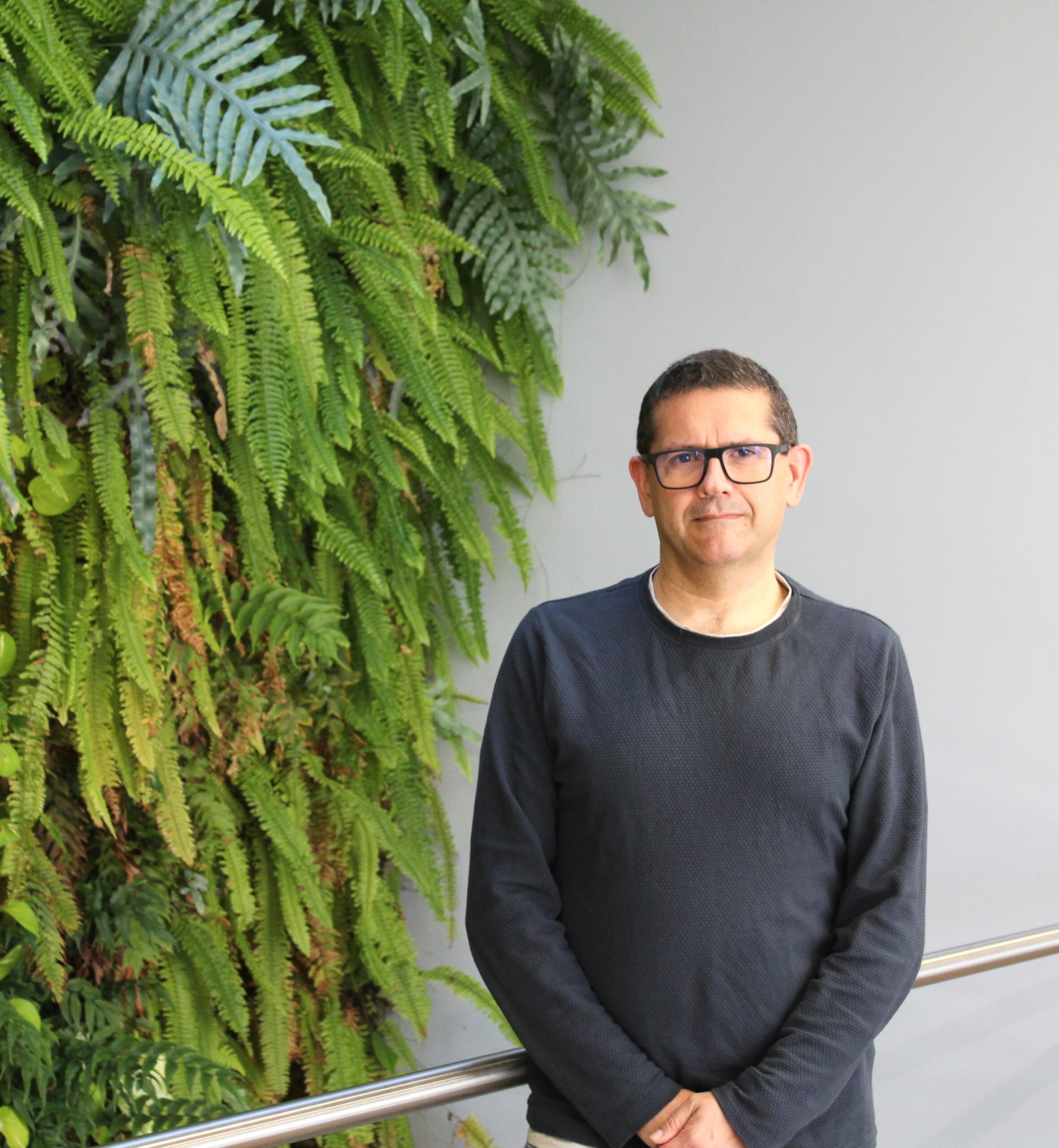
CARLOS JIMÉNEZ – ATEX Engineering