
Every unplanned failure in a hazardous area comes at a high cost. With Atenea, you’re always one step ahead.
What is Atenea?


An IIoT platform designed for demanding ATEX industries
Multiprotocol and open
Atenea isn’t a closed system. It’s compatible with the most widely used communication protocols: LoRa, NB-IoT, 3G/4G/5G, and integrates with the customer’s existing SCADA, ERP and cloud platforms. No vendor lock-in. No complex integrations.


Wireless and no construction required
Atenea’s installation requires no additional cabling or modifications to existing infrastructure. Communication is fully wireless, allowing the platform to be deployed in a live facility without interrupting operations
Cybersecurity by design
The platform is designed under the ISO 27001 information security standard. Communications travel end-to-end encrypted, updates are performed remotely via OTA, and data can be integrated into the customer’s own servers and cloud.


The only one certified to ATEX and IECEx standards
Atenea is the only IIoT platform with ATEX and IECEx certification for lighting control. In hazardous areas, certification isn’t optional — it’s the starting point. And only Atenea meets it in this segment
ATEX compliance integrated into every layer of the system
Atenea is the only control solution that operates natively in areas with hazardous environments, without adding regulatory complexity.
– Compatible with zones 1, 2, 21, and 22
– Directive 2014/34/EU
– No interference with intrinsic safety
Atenea does not add to regulatory complexity: it relies on the ATEX certification of the luminaires with which it operates. The system is compatible with equipment certified for Zones 1, 2, 21, and 22 in accordance with Directive 2014/34/EU, and its communication architecture is designed not to interfere with the intrinsic safety conditions of the environment. Nothing that Atenea adds detracts in the slightest from what the regulations require.
How does it work? 3 components: an active network
1. The luminaire
Each smart light fixture includes a motion sensor, an antenna, and a processing module. It serves as both the data collection point and the network node.
2. Communication node
It is the component responsible for receiving and transmitting data wirelessly to the central platform.
3. The sensors
It allows for the integration of additional sensors based on the installation’s needs: temperature, humidity, carbon monoxide, energy consumption, gas detection, or flow, among others.
Here’s how we implemented Atenea
From passive infrastructure to an active data network.
Most industrial plants already have the infrastructure they need to go digital. All you have to do is activate it. Atenea turns every existing light fixture into a data node, no construction, no additional wiring, and no disruption to operations. The result is a smart network capable of monitoring and issuing alerts in real time from anywhere in the facility, starting on day one.

Why choose the Atenea IIoT platform?
Atenea projects
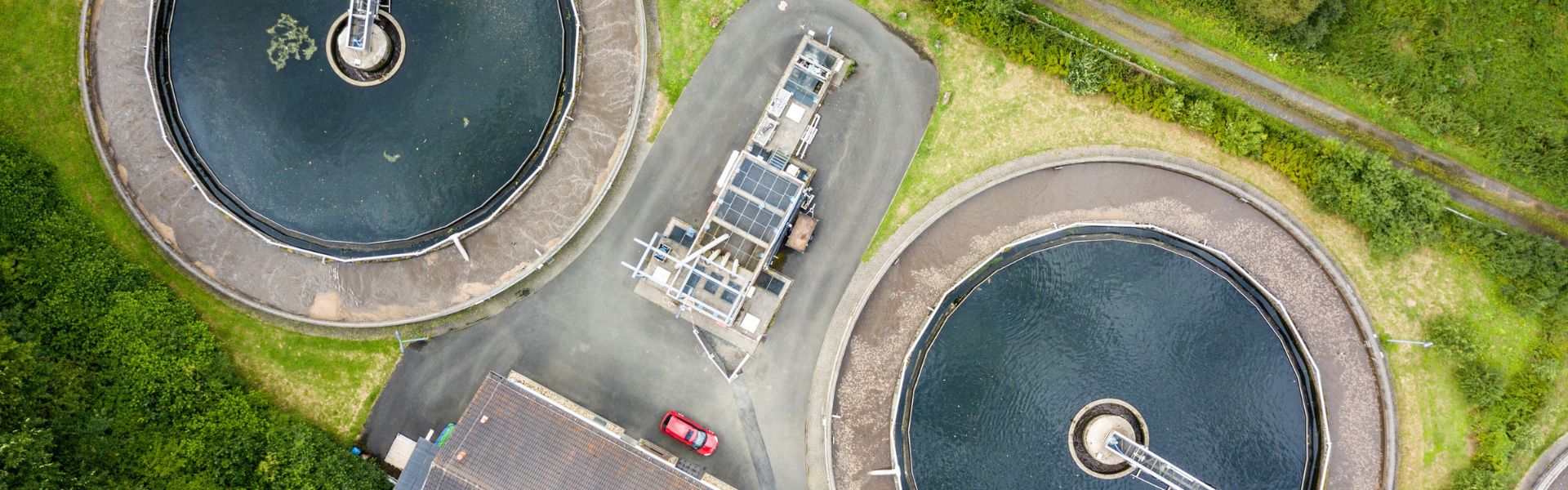
Environmental Industry
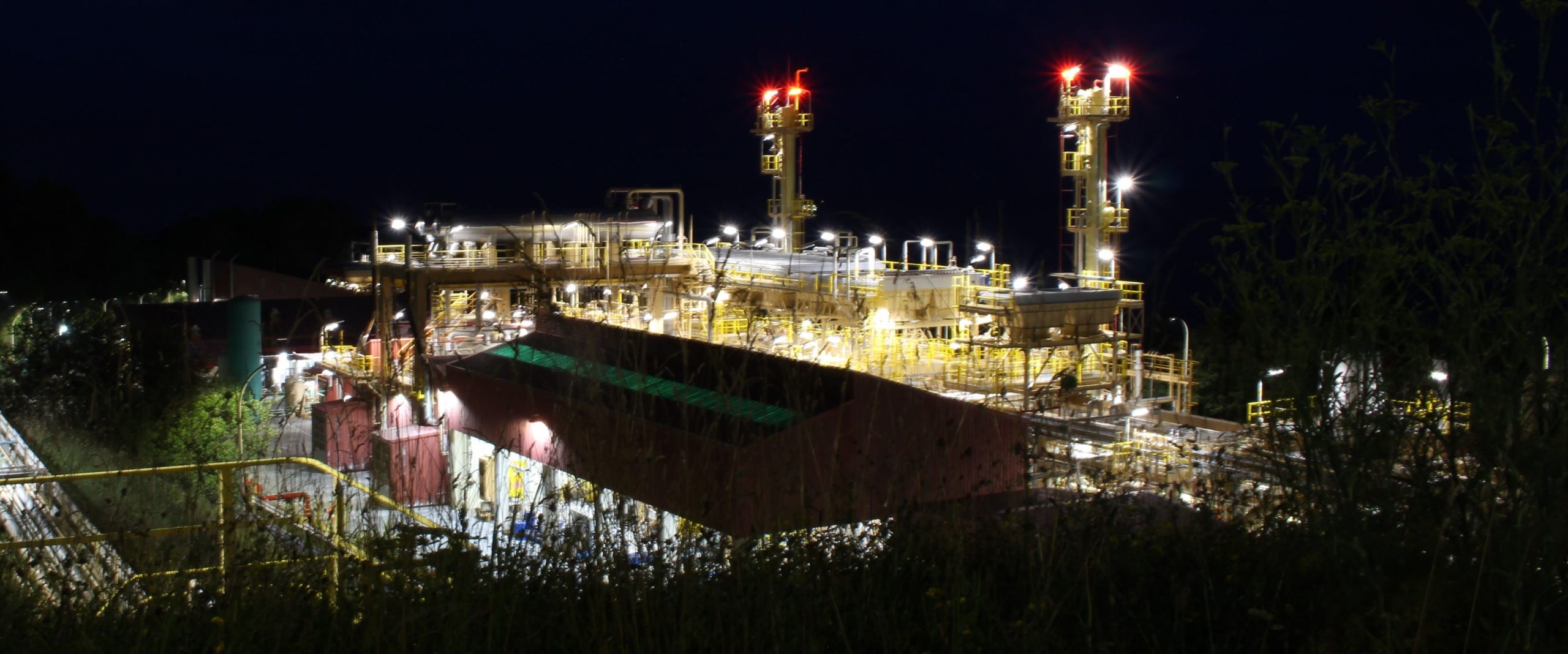
Energy industry
Frequently Asked Questions
- See the status of all the luminaires in real time.
- Consumption per light point, hours of use, power output percentage per hourly period, presence by area with presence map, condition of on-demand or programmed emergency equipment if any, software versions. Charts showing monthly and annual energy usage.
- The client is provided with the dashboard and an associated Google account, at no extra cost except for the data fee agreed for setting up the connection (users may use their own connection, and negotiate it with their company, or request one from the supplier for around 100 pounds/year (115 euros/year)).
- Dashboard customisations will be invoiced separately (company logo, for example), currently around 580 euros (500 pounds) per working day for the programmers.
It will also be possible to add sensors, to ‘act’ on the system from the dashboard and to carry out remote commissioning.
The data can be consulted via the dashboard. All the luminaires send the data to the server for viewing.
The DataCollator-Gateway incorporates a data card that communicates with the Internet via 3G, 4G or GPRS.